
Imagine the apps you have on your smartphone. Consider the apps that you use on a daily basis without even realizing the triggers for habit loops. Your thumb just knows where to click. Behind that effortless natural, second-nature interface lies a vast amount of human psychology and deeply technical engineering. The modern-day user has a zero-tolerance policy for digital friction; if a mobile screen stutters for any fraction of an instant and takes too long to load weak mobile data, or if it fails to send notifications, they are removed within minutes. The stakes are very high for founders with funding, and teams that concentrate on growth. Launching a digital product that performs well requires more than a sleek surface or a stunning landing page. It requires a strategic collaboration with an expert mobile app development company that designs for human retention as early as the first week of production.
Navigating the Constantly changing Ecosystem Rules
Mobile-specific development is a uniquely challenging discipline as compared to traditional web design because you’re essentially creating on sand that is moving. Every year in the autumn, Apple rolls out a updated operating system, introducing stricter privacy manifests, eliminating outdated code structures, and changing the app store review process. Google follows a complex timeline. The notification system is constantly evolving and background processing is constantly updated. If your team doesn’t keep an eye on these constantly shifting guidelines, it could cause your product to fail quickly, leading to negative feedback and a malfunctioning feature. This is why it is imperative that companies should employ mobile app developers who view their job as a continuous cycle, rather than just a coding sprint. Release engineering is a continual procedure that makes sure that an automated pipeline for shipping is in place and secure throughout every operating system update.
The Technical Crossroads of Native Experiences
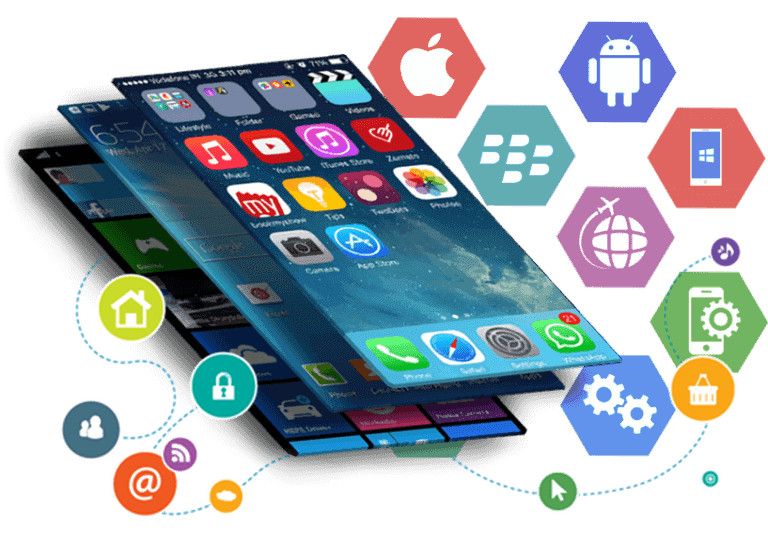
The decision to use dedicated iOS app development services provides teams full, uncompromising access to the most recent native Apple frameworks. This allows for butter-smooth animations, as well as deep ties to specialized features like HealthKit or biometric security. Make sure to select dedicated iOS app development to gain access directly to Apple’s native frameworks. This allows for smooth animations and deep integration with special options like HealthKit and Biometric Security. On the other side of the landscape, investing in targeted Android app development services ensures your app is built to handle the incredible variety of screen sizes and processing capacities found across the global device market. Native architecture is the gold standard for business models that depend on heavy device access such as interacting with low-latency Bluetooth accessories monitoring precise real-time locations, or offering frictionless payment flows with native billing systems.
Cross-Platform Engineering: Speeding up the production time
A lot of companies are expanding rapidly as the pressure of funding and the competition may make it difficult to develop apps for two different operating systems simultaneously. This issue can be solved by choosing an elite cross-platform development strategy. It offers a cohesive team of developers to design, develop, test, maintain and maintain a codebase that is flawless across all platforms. This hybrid approach reduces traditional launch times by several months, and allows businesses to gather user feedback for less than the costs. A company that is specialized in Flutter can help companies create high-quality, stylized interfaces that have pixel-perfect UXs that have aesthetic consistency across platforms. If they are backed by a solid base of automated testing, and robust background data syncing, this approach to cross-platform development provides the perfect balance between speedy market entry and high-performance execution.
Engaging users in a sustainable and sustainable way
In the end, the effectiveness of the mobile launch will be measured by long-term, sustainable user behavior, not only short-term increases in downloads. The most effective mobile architecture integrates crucial behavioral triggers directly into the tech stack, ensuring that onboarding flows are able to deliver value within the first sixty seconds as well as ensuring that local data storage works easily during unexpected cellular drops and that notification systems respect the user’s primary focus. Whether your team is aiming to ship an agile minimum viable product in order to prove the market’s acceptance or are setting up a massive enterprise application that demands strict data compliance and data compliance, the fundamental goal remains the same. By adhering to a well-defined, highly predictable engineering rhythm by using Digital Heroes that respects your users’ time and performance, you can build an asset that is durable and builds deep loyalty, leads to steady business growth and stays on users’ screens for the foreseeable future.