
Repetition is among the most frustrating things that users face when working using artificial intelligence. The AI assistant might give an amazing answer in a single moment and then forget important context during the next interaction. Developers usually compensate by providing the same data such as project files, project files, or documentation just to keep the conversation running smoothly.
As AI is integrated into everyday software, the effectiveness of this approach will decrease. Intelligent systems need the capacity to store relevant information in a quick and efficient manner, as well as understand information’s changes over time. Memory is one of the most crucial components of AI architecture today.
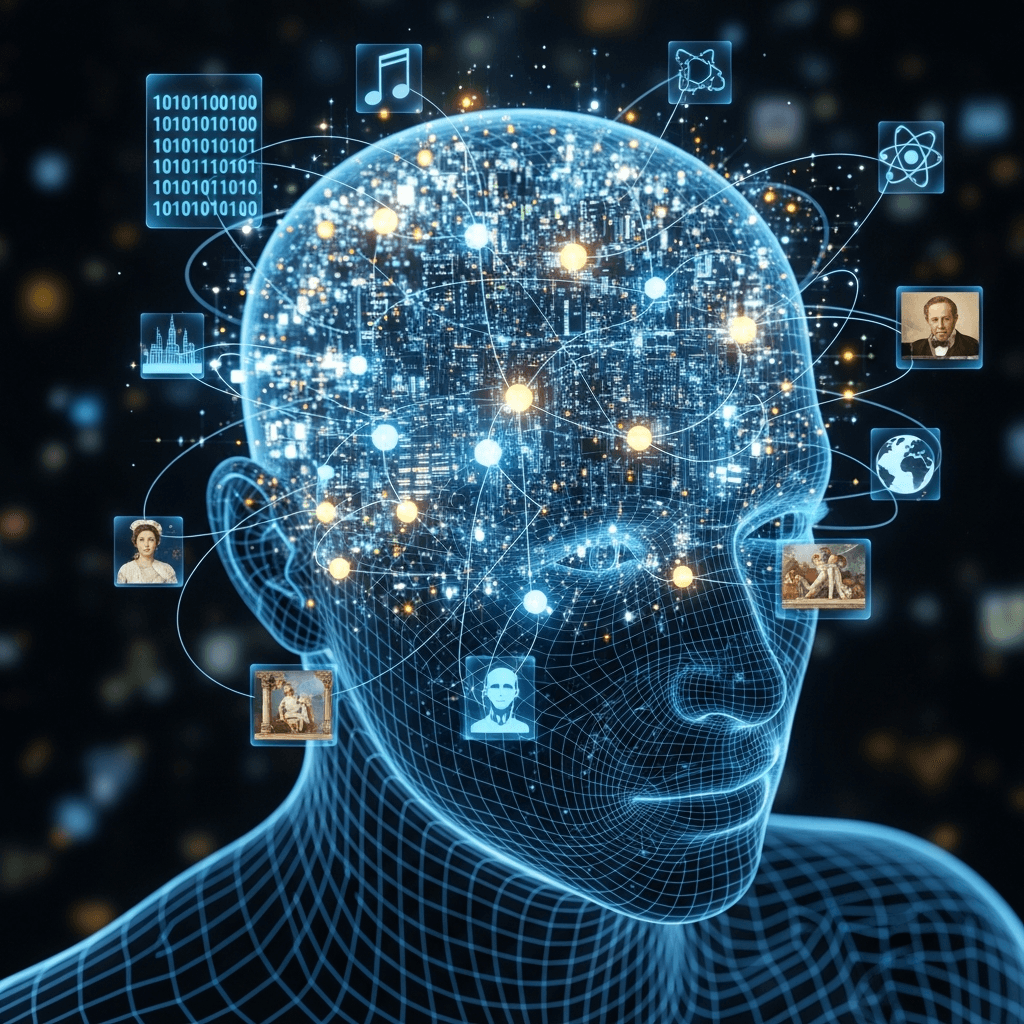
Memory transforms AI from being reactive to being intelligent
AI systems that are able to remember past work are different from systems that start fresh every time. Persistent memory lets applications better comprehend ongoing projects and detect repeating patterns. They are also able to provide answers using the context of history, not isolated queries.
Telys was created to solve this problem. Telys is a built-in AI memory engine and not a third party cloud service. Information is saved and is retrieved directly through the application. This allows developers to effectively maintain context in addition to reducing redundant computations as well as processing. This results in an AI experience that appears more natural since the software remembers important information.
Making data local increases both speed as well as privacy
AI models are no longer judged by their ability to produce text. Speed of retrieval, system responsiveness as well as data security are now equally important for organizations deploying AI in production.
Using on-device memory for AI agents allows applications to retrieve relevant information without depending on constant communication with external servers. Since memory remains inside the local device, queries are quicker to be completed while businesses maintain more control over sensitive data. This is particularly beneficial to engineers working on internal tools, enterprise applications as well as privacy sensitive applications where data ownership must not be affected.
Memory is a powerful tool for developers that is working in the background
To build intelligent software, you shouldn’t have to manage a complex infrastructure simply to store the information. Software developers are seeking tools that are easily integrated into existing workflows, without requiring additional expense.
A local MCP Memory Server allows this to be done by providing compatible AI Development Environments to connect to persistent memory in the local ecosystem. Instead of repeatedly transferring information through remote APIs AI assistants can retrieve exactly the information they require from a memory layer that is already connected to the application. This simplified approach decreases the amount of latency and provides a more seamless development experience for teams working on large projects that have ever-changing codebases, documentation and documentation.
AI’s future relies on context
Artificial intelligence has evolved from conversations that were simple to systems that are capable of planning, analyzing and performing tasks on their own. These systems require more than just powerful language models. They also require reliable memory to keep knowledge in every interaction.
Telys is a sophisticated AI memory system that provides persistent local retrieval, specifically made for applications that need speed, reliability, privacy, and security. In conjunction with on-device storage for AI agents and a high-performance local MCP memory server Telys aids developers in developing software that is able to remember past work, instantly retrieves information, and continues improving with time.
As AI becomes more integrated into business and product operations The ability to recall precisely may be just as important as being able to reason. Telys’ AI application development tool helps developers build AI applications that have greater speed as well as intelligence and utility in the workplace by giving intelligent systems a lasting context instead of a brief conversation.