
Draw a box around a lift station in a civil plane and it’s simple to consider it as a fully-functional piece of equipment.
In reality, water comes from somewhere, passes through the station and goes on to another location. The facility also depends on power, controls, site access structural components, and connections to surrounding infrastructure.
A question that is helpful to project teams trying to find the best lift station designer is whether they look at the interfaces or just what happens within the station.
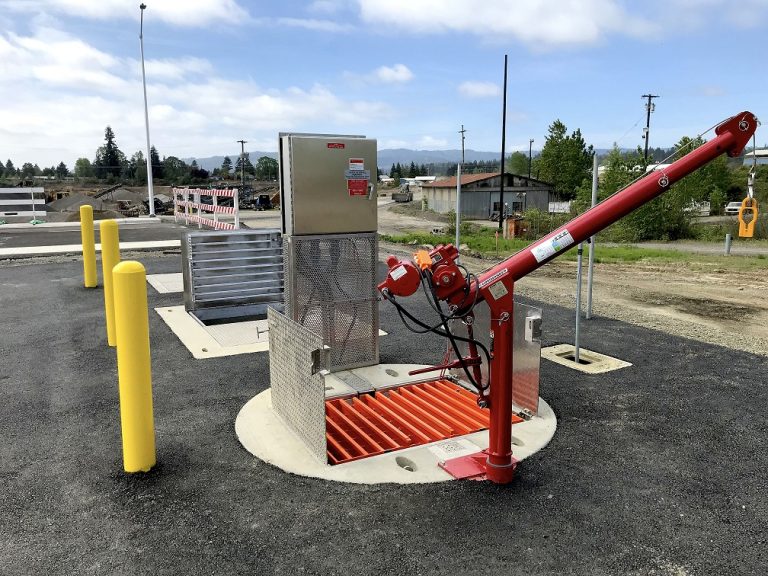
Image credit: romtecutilities.com
Commence upstream from the Wet Well
Take a residential project that is being built as an illustration. The waste water moves through the collection systems and eventually the lift station. The flow conditions that enter the system and elevations of the site help determine the type of water that the station will be expected to handle.
Once the wastewater has reached wet wells Another set of engineering decision-making begins. Pumps, piping and valves and structural components, as well as controls, and perhaps auxiliary equipment have to be suitable for the purpose.
Romtec Utilities designs wastewater systems for commercial, municipal, industrial, and other sites as well as development applications.
This is because the specific project process can be vital since changes in the flow of water can affect how the pumping system is required to accomplish.
Follow the Water Beyond the Pumps
The issue does not stop when the liquid has escaped the well. The pumping mechanism must move it in accordance with the conditions in the downstream system. Station design and the selection of pumps will be influenced by necessary flow rate and head pressure.
That connection is particularly important when evaluating the best wastewater designers. A pump may have impressive specifications on its own but its performance requires to be able to function within the complete hydraulic system.
Romtec Utilities has the ability to design the structural components as well as mechanical and electronic components, and communication systems of a pumping station as a whole package. This allows the system to be coordinated to meet the specifications of the specific project.
Stormwater has its own network of connections
Stormwater creates a new infrastructure challenge. Runoff can flow into an infrastructure system for collection through well-developed areas, and later travel to treatment, detention or drainage infrastructure. If pumping is needed, the station becomes a single link within a larger stormwater plan.
It is important for organizations searching for the most efficient stormwater engineers to take into account the specific conditions on the site, the flow rates, the head specifications, environmental factors and the stormwater plans that surround it.
Romtec Utilities supplies customized stormwater pumping systems for residential, commercial industrial, and municipal projects rather than relying solely on the same configuration for each project.
Coordination Extends Above Ground Too
Not all interfaces require pipes. Electrical service has to support the equipment. Control and communication systems need to be adapted to project requirements. Contractors require plans that are appropriate and documents. Installation, startup and even service might require access to a physical location.
This could be a challenging project with multiple participants and different disciplines, which is why a clear system document is necessary. Romtec Utilities can provide complete project plans and documentation and also provide support for its systems during installation, testing, and commissioning.
Look Beyond the Station Boundary
A lift station can be constructed correctly as an individual facility and remain an uncoordinated project if its connections to the outside haven’t been given enough consideration.
The water can be a great design reference. What is its source? What conditions should it fulfill to reach the station? What will happen once it’s there? Where does it go following? What infrastructure will support the entire process?
By answering these questions, you can transform the design of a lift station from an equipment project into an infrastructure engineering.